

Transistor computers—the game-changer that truly launched the modern computing era! These machines, which emerged in the late 1950s and 1960s, replaced bulky and unreliable vacuum tubes with much smaller, more efficient transistors.
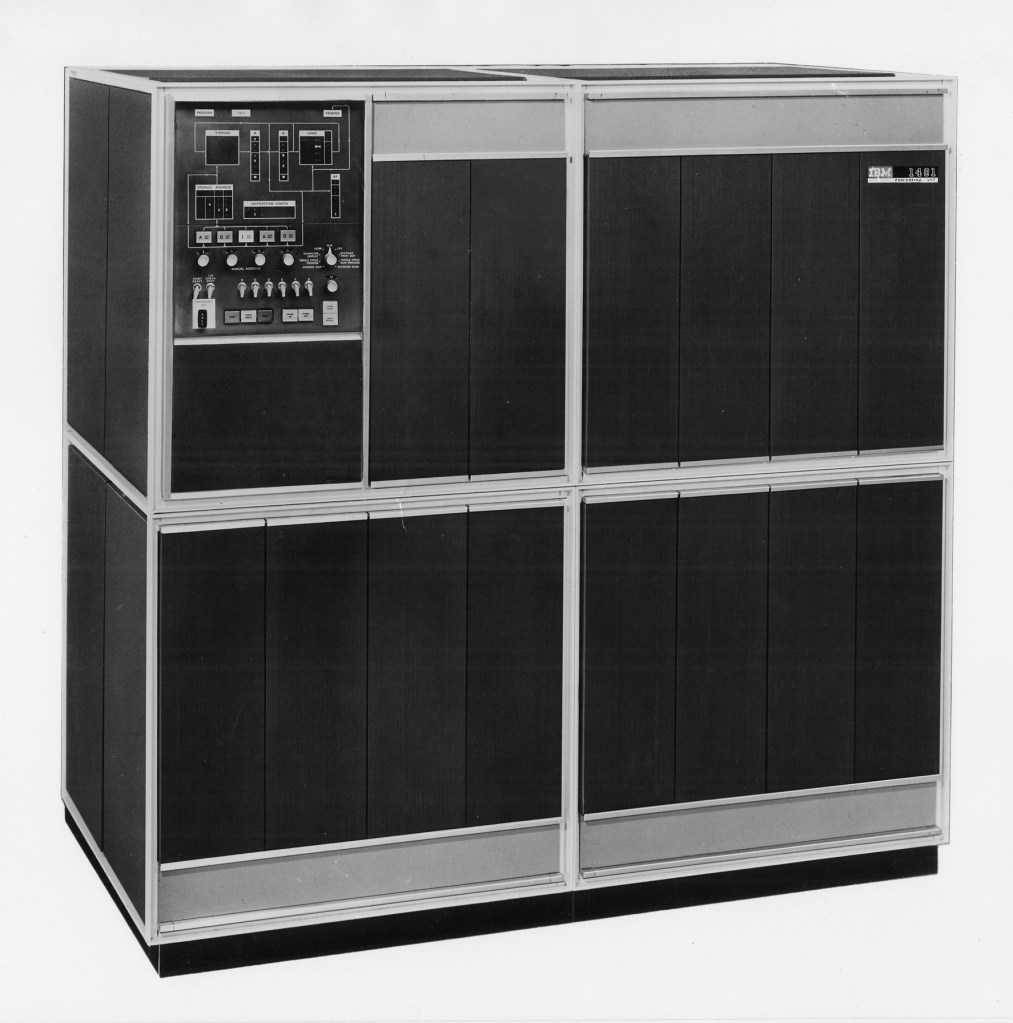
Transistors revolutionized computing by reducing power consumption, increasing reliability, and drastically shrinking the size of computers. This transition enabled the development of second-generation computers, such as the IBM 1401 and PDP-1, which were widely used in business, science, and government applications. Unlike vacuum tube computers, transistorized machines were faster, more durable, and required significantly less maintenance.
This shift also paved the way for programming advancements, with early assembly languages giving way to higher-level languages like COBOL and FORTRAN. Transistor-based computers set the foundation for integrated circuits, which eventually led to the microprocessors we use today.
 My AIM on Artificial Intelligence Machines